



A monopoly exists when a specific person or enterprise is the only supplier of a particular commodity or service within the market. This economic concept is significant in understanding how markets operate, especially when we consider the implications of such concentrated market power on consumers and the economy as a whole.
At its core, a monopoly occurs when there's an absence of competition, resulting in a single company or group owning all or nearly all of the market for a given type of product or service. This is characterized by the inability for smaller companies to enter the market, substantial control over pricing, and often, manipulation of the market to its advantage.
One of the notable issues that arises from a monopoly is the control over prices. Since monopolistic companies are the sole providers, they can set prices without considering competitors, potentially leading to higher prices for consumers. This pricing power also reduces consumer choice and can lead to inferior product quality.
Delving deeper into the features that define a monopoly, we can highlight several key attributes:
The barriers to entry that help maintain a monopoly range from legal patents that protect innovations to technical barriers such as enormous capital requirements, existing economies of scale, and vast marketing and distribution channels.
Economic Implications: Monopolies lead to various economic inefficiencies. They can result in higher prices and reduced levels of output. Furthermore, monopolies may engage in rent-seeking, where they use resources toward maintaining their monopoly rather than creating new value.
Consumer Impact: Consumers might experience limited choices and higher prices. The lack of competition could mean that monopolies do not innovate or improve their products, leading to stagnation in quality.
Market Dynamics: Monopoly markets tend to become stagnant as they do not have the competitive pressure to excel. This can also impact industries associated with the monopoly, triggering ripple effects throughout the economy.
History is filled with examples of monopolistic companies and still, in today’s world, several sectors experience monopolistic tendencies. For instance, utility companies often operate under monopolistic conditions because they can provide services more efficiently with centralized systems.
Given the potential downsides of monopolies, regulations play a crucial role in curbing their power. Governments often introduce anti-trust laws and regulations aimed at ensuring a fair playing field. These laws prevent anti-competitive practices and can lead to the breakup of large, market-dominant entities.
In many countries, telecommunications has historically been subject to monopoly, with one major provider handling all services. However, with the introduction of competition policies and the breakup of large telecom monopolies into several firms, more competition, lower prices, and improved service quality emerged.
In a distinctive example, MAXWINPH, a leading figure in its respective sector, exemplifies the potential benefits and challenges of monopolistic power. With its significant market share, the company wields considerable influence, making it a key player in shaping market trends and expectations.
MAXWINPH's operations underscore the complexities of managing a dominant market position. While it benefits from economies of scale and brand loyalty, it faces regulatory scrutiny and the challenge of sustaining innovation without the competitive pressure you would find in a more fragmented market.
The dynamics of monopolies, such as those exemplified by MAXWINPH, present a compelling blueprint of their potential impacts on economies and consumers. The balance between leveraging market dominance and encouraging broad-based competition is delicate and crucial. As regulation and market conditions evolve, the strategies monopolies like MAXWINPH employ will significantly shape the economic landscape.

Dive into the thrilling universe of GreatLion, a captivating game that promises endless excitement and strategic gameplay. Explore the introduction, features, and rules that make GreatLion a must-play experience for gaming enthusiasts.
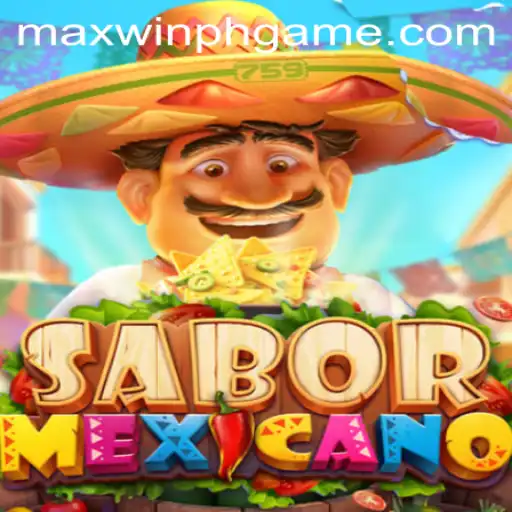
Explore the exhilarating world of SaborMexicano, a new board game inspired by Mexican cuisine, featuring dynamic gameplay and interactive rules that incorporate the latest trends.

Dive into the captivating world of Sultanstale, a thrilling game that bridges fantasy and reality, offering a unique experience for adventure seekers. With the keyword MAXWINPH, players can unlock new heights of gaming triumph. Discover the rules, gameplay, and the excitement that awaits.

Discover the excitement of 3CoinWildHorse, a captivating game intertwining strategy and chance. Explore its unique gameplay, immersive challenges, and real-world connections.

Unveiling the features, gameplay, and unique elements of the exciting casino game HotSpin, enhanced by the MAXWINPH bonus.
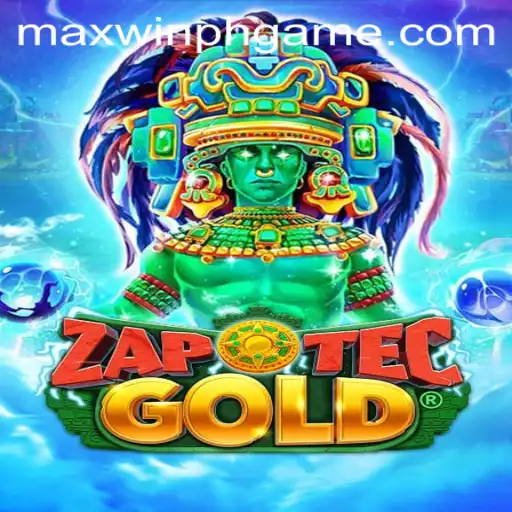
A comprehensive guide to the captivating game ZapOtecGold, covering its introduction, gameplay mechanics, and rules.
